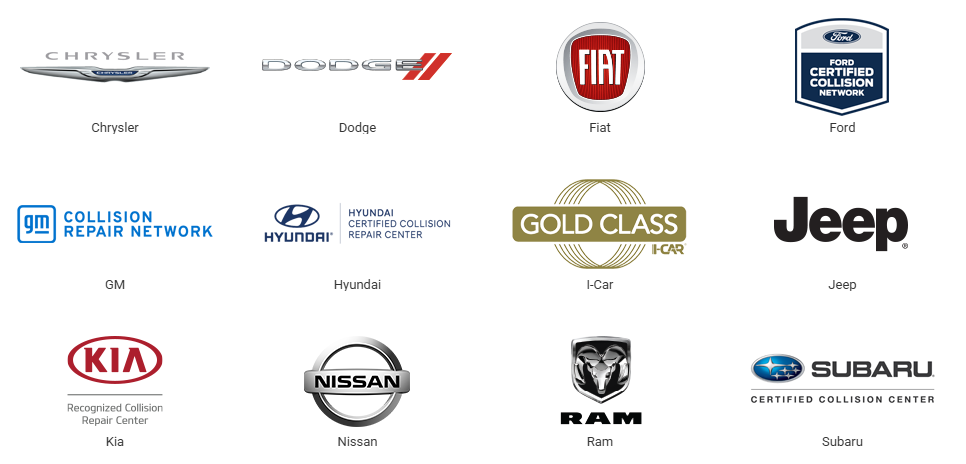
When a collision shop is manufacturer certified (also called OEM Certified), it means the shop has been officially vetted and approved by a specific automaker (like Ford, BMW, or Toyota) to repair their vehicles according to original factory standards.
It is essentially a “seal of approval” that distinguishes a shop from general, uncertified body shops. Here is a breakdown of what that certification actually involves:
- Specialized Training
Technicians at certified shops don’t just have general mechanical knowledge. They undergo brand-specific training to understand the unique architecture of that manufacturer’s vehicles. This includes:
- Correct welding techniques for high-strength steel or aluminum frames.
- Calibration of advanced safety systems (like cameras and radar).
- Updates on the latest repair procedures for brand-new models.
- Required Specialized Tools
Modern cars are increasingly complex. Manufacturers often require certified shops to invest in proprietary equipment that a standard shop might not have, such as:
- Manufacturer-approved vehicle measuring systems to ensure the frame is perfectly straight.
- Specific diagnostic software and scanning tools unique to that brand.
- Clean rooms or dedicated bays for aluminum repairs to prevent cross-contamination with steel dust.
- Commitment to OEM Parts
Certified shops typically prioritize Original Equipment Manufacturer (OEM) parts—the exact parts used to build your car—rather than “aftermarket” or third-party parts. This ensures the parts fit perfectly and perform exactly as intended in the event of another accident.
- Safety and Warranty Protection
- Structural Integrity: Improper repairs can compromise how a car’s “crumple zones” react in a crash. Certification ensures the car is restored to its original safety rating.
- Warranty: Using a non-certified shop or non-OEM parts can sometimes complicate your vehicle’s factory warranty. Repairs at a certified facility are backed by the manufacturer’s standards, often protecting your long-term investment.
- Rigorous Audits
Certification isn’t a one-time event. Shops must typically pass annual audits and inspections to keep their status. If they fall behind on training or fail to maintain the right equipment, the manufacturer can pull their certification.
Tip: You have the legal right to choose where your car is repaired. While insurance companies often suggest their own “preferred” shops (which may be chosen for cost-saving reasons), choosing a manufacturer-certified shop ensures the priority is on factory-spec quality and safety.
Do you need help with your vehicle?
Send us a message or call (605) 339-2241 between 7AM and 5:30PM Monday through Friday..